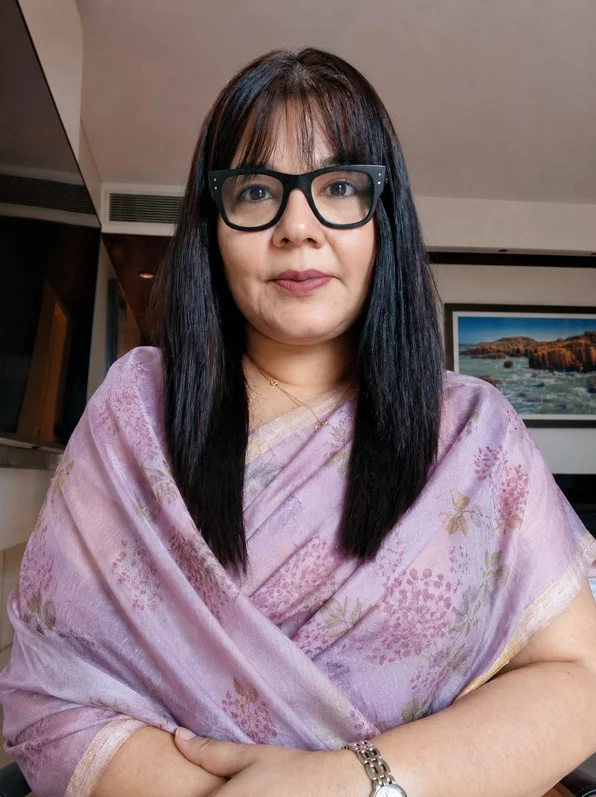

Trustee, Prakash Foundation Founder & Programme Director - Ura & The Village

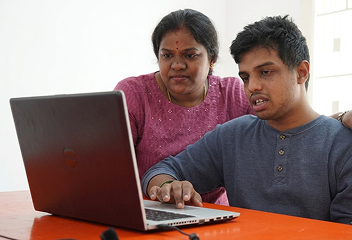
Vocational Training
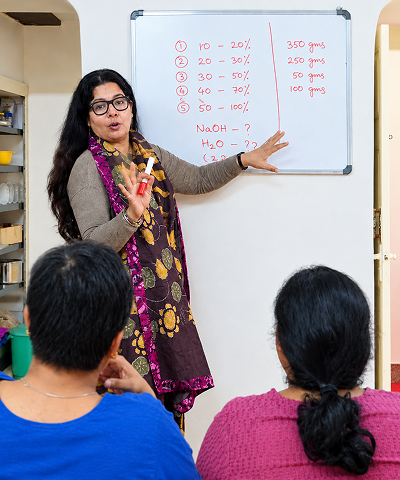
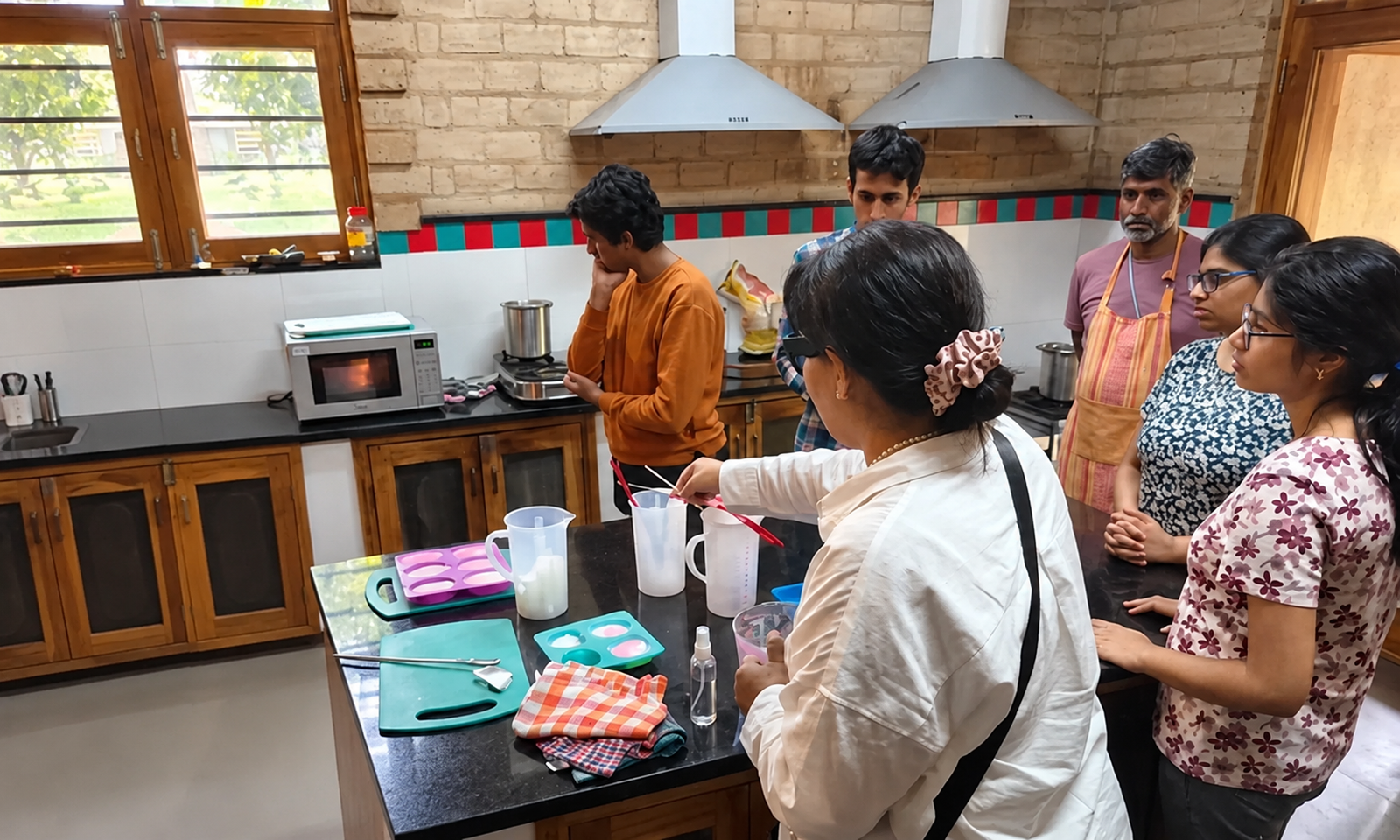
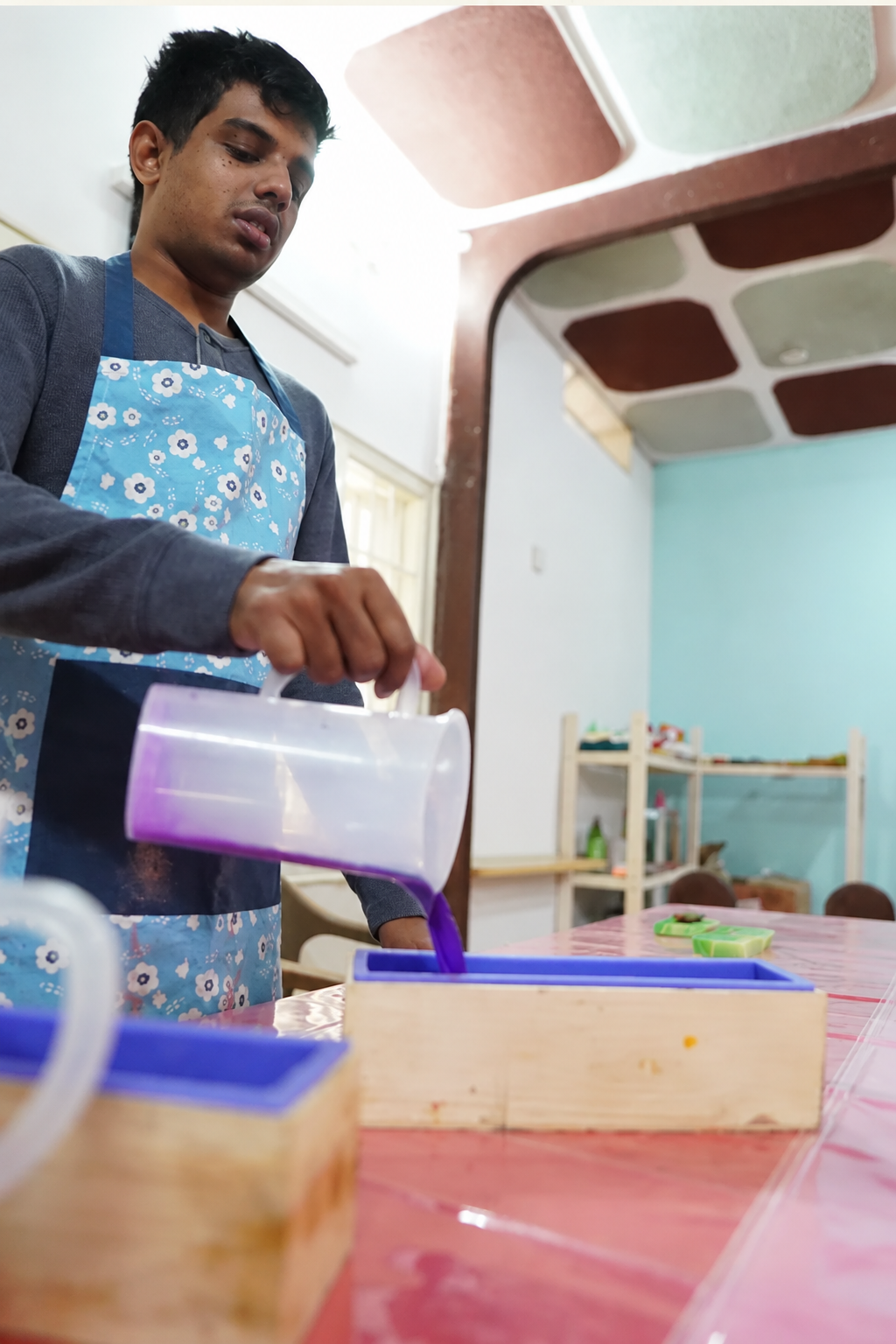
Hands-on, practical training that builds real workplace skills at a pace suited to each individual, not a fixed curriculum.
Learn more ›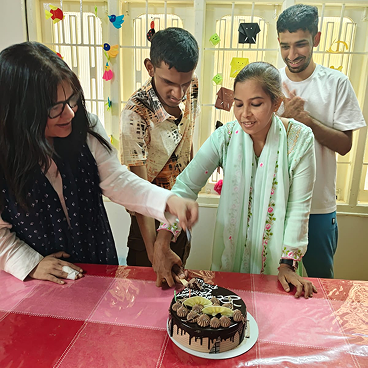
Supported Employment
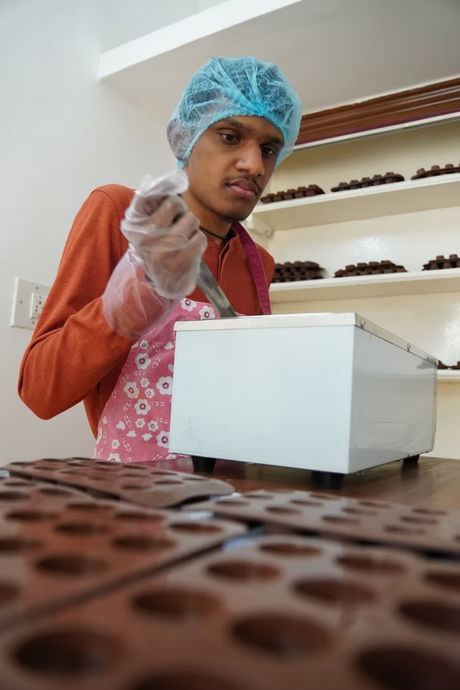
Dignified work opportunities with the structure and support neurodivergent adults need to contribute, earn, and belong.
Learn more ›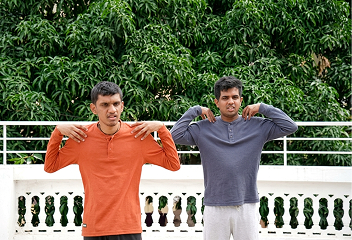
Life & Functional Skills
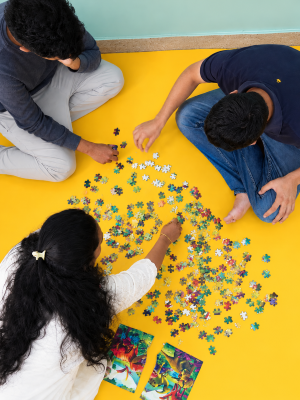
Everyday skills for independence from routines to self-care, built into real tasks, not taught in isolation.
Learn more ›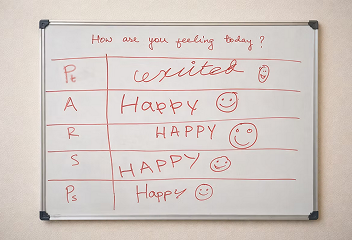
Communication Skills
Support for expressing needs, building relationships, and navigating the world with confidence, in whatever form communication takes.
Learn more ›
By addressing health, education, gender, and employment together, Ura tackles inequality at its roots. Autistic individuals, especially those with high support needs, are routinely excluded from economic, social, and civic life.
Ura creates pathways that allow individuals to move from dependency to participation, from invisibility to contribution.
This reduces inequality not only for individuals, but across families, communities, and systems that have historically pushed them to the margins.
Inclusion is not symbolic.
It is structural.
Skills must lead somewhere, or they become another dead end.
Ura bridges the gap between training and employment through supported work models that prioritise dignity, fairness, and sustainability. Work is adapted to the individual, not the other way around.
Students engage in meaningful, productive work that values consistency, capability, and contribution, challenging the assumption that disabled people are unemployable or only suitable for token roles. Income and responsibility bring autonomy, self-worth, and social recognition.
Decent work is not charity.
It is participation.
Once well-being is supported, learning becomes possible.
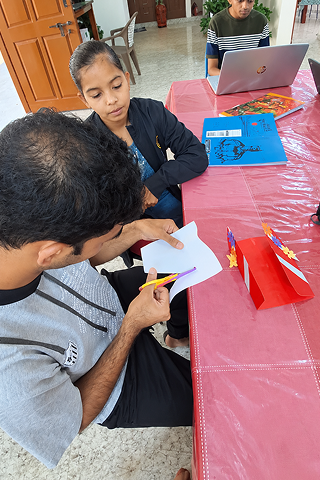
Ura provides functional, evidence-based education focused on vocational skills, life skills, and communication areas where autistic learners are most often failed by traditional systems. Education here is not abstract or exam-driven; it is practical, relevant, and immediately applicable to daily life.
Learning is embedded into real tasks, routines, and social contexts, ensuring retention, dignity, and meaning. This form of education equips students with skills they can actually use at work, at home, and in the community.
Education at Ura is not preparation for life.
It is life.
Access to education and skills changes who gets to participate.
Autistic girls and women are significantly underdiagnosed and excluded from vocational pathways. Many never enter training spaces at all. By creating safe, inclusive, and structured learning and work environments, Ura directly counters this invisibility.
Ura's work also reduces the disproportionate burden of unpaid caregiving carried by women, especially mothers, by enabling young adults to build independence and economic participation. This redistribution of care is a critical, often ignored dimension of gender equality.
When disabled women gain skills and agency, entire family systems rebalance.
Nothing else works if the nervous system is constantly in distress.
Ura begins with health and well-being as the foundation. Many autistic young adults experience chronic anxiety, sensory overload, communication frustration, and trauma from repeated exclusion. Without emotional regulation, predictability, and psychological safety, learning and work are impossible.
Ura's structured routines, sensory-aware environments, and emphasis on emotional regulation support mental well-being as a daily practice, not an afterthought. By stabilising health and reducing distress, students are able to engage, participate, and remain present.
Well-being is not a prerequisite we demand.
It is the condition we build.
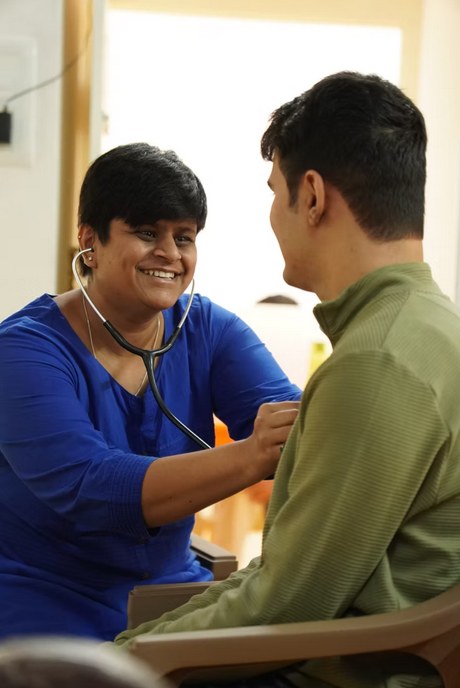
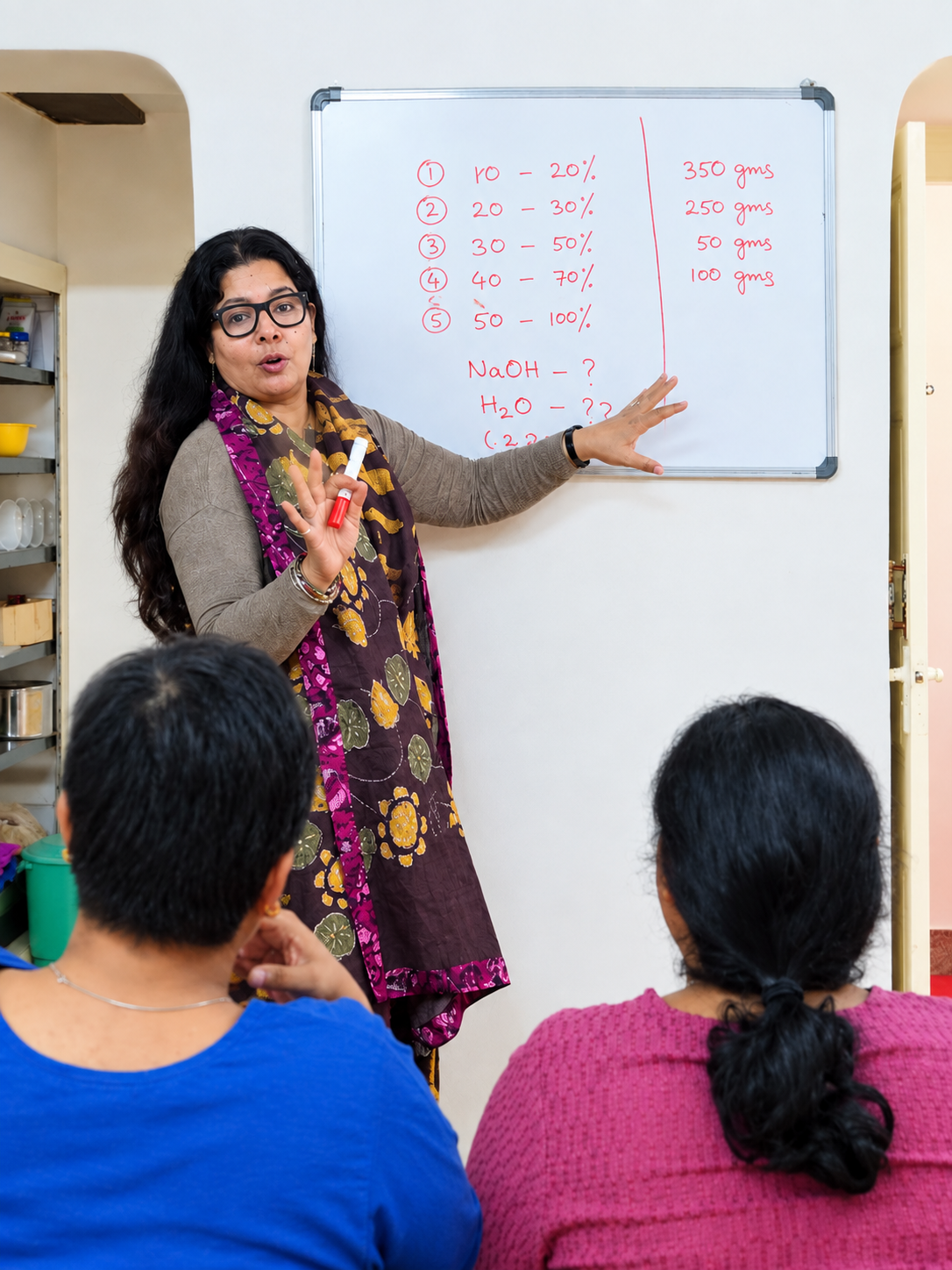
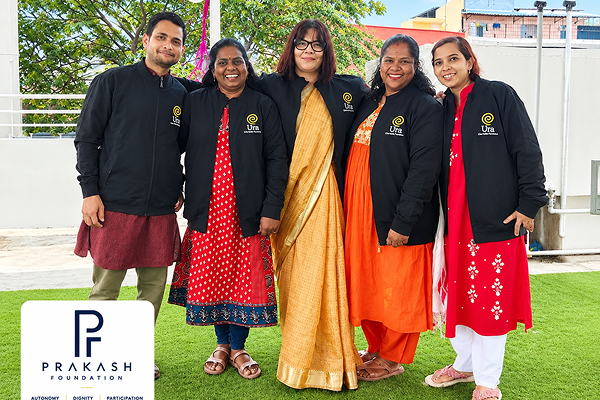
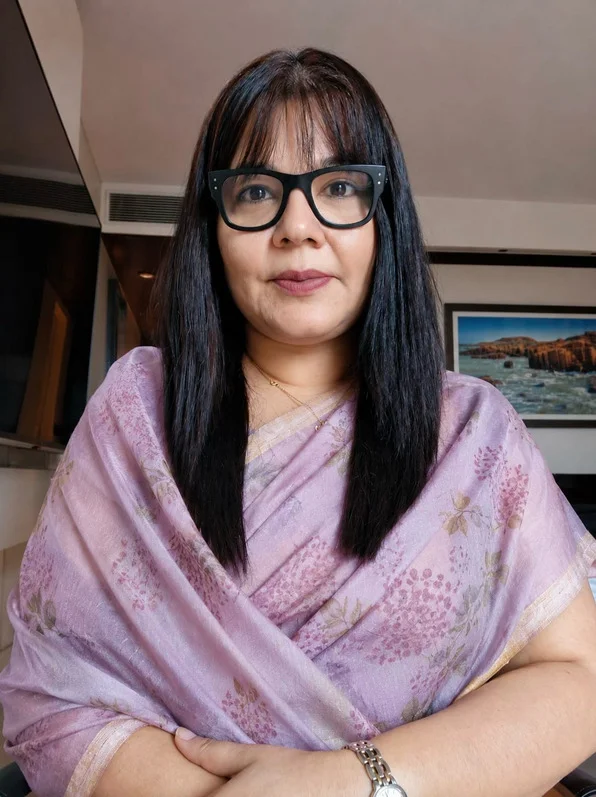
Founder & Program Director

Vocational Trainer
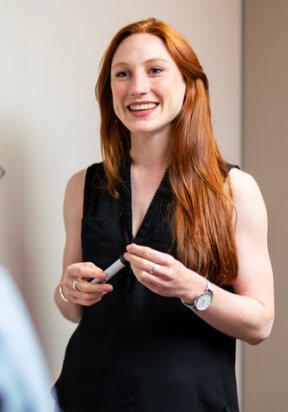
Trainer & In-Home Support Facilitator
Admin, Accounts & Training Support
By addressing health, education, gender, and employment together, Ura tackles inequality at its roots. Autistic individuals, especially those with high support needs, are routinely excluded from economic, social, and civic life.
Ura creates pathways that allow individuals to move from dependency to participation, from invisibility to contribution.
This reduces inequality not only for individuals, but across families, communities, and systems that have historically pushed them to the margins.
Inclusion is not symbolic.
It is structural.
Skills must lead somewhere, or they become another dead end.
Ura bridges the gap between training and employment through supported work models that prioritise dignity, fairness, and sustainability. Work is adapted to the individual, not the other way around.
Students engage in meaningful, productive work that values consistency, capability, and contribution, challenging the assumption that disabled people are unemployable or only suitable for token roles. Income and responsibility bring autonomy, self-worth, and social recognition.
Decent work is not charity.
It is participation.
Once well-being is supported, learning becomes possible.
Ura provides functional, evidence-based education focused on vocational skills, life skills, and communication areas where autistic learners are most often failed by traditional systems. Education here is not abstract or exam-driven; it is practical, relevant, and immediately applicable to daily life.
Learning is embedded into real tasks, routines, and social contexts, ensuring retention, dignity, and meaning. This form of education equips students with skills they can actually use at work, at home, and in the community.
Education at Ura is not preparation for life.
It is life.
Access to education and skills changes who gets to participate.
Autistic girls and women are significantly underdiagnosed and excluded from vocational pathways. Many never enter training spaces at all. By creating safe, inclusive, and structured learning and work environments, Ura directly counters this invisibility.
Ura's work also reduces the disproportionate burden of unpaid caregiving carried by women, especially mothers, by enabling young adults to build independence and economic participation. This redistribution of care is a critical, often ignored dimension of gender equality.
When disabled women gain skills and agency, entire family systems rebalance.
Nothing else works if the nervous system is constantly in distress.
Ura begins with health and well-being as the foundation. Many autistic young adults experience chronic anxiety, sensory overload, communication frustration, and trauma from repeated exclusion. Without emotional regulation, predictability, and psychological safety, learning and work are impossible.
Ura's structured routines, sensory-aware environments, and emphasis on emotional regulation support mental well-being as a daily practice, not an afterthought. By stabilising health and reducing distress, students are able to engage, participate, and remain present.